Understanding Detroit Moisture Control: A Guide for Homeowners
Living in Detroit means dealing with a climate that can be tough on homes. Between the heavy spring rains, the humid summers, and the deep freezes of winter, moisture finds its way into basements and crawl spaces more often than any of us would like. I have spent years working with property owners across the metro area, and the single most common question I hear is: "Why does my basement smell damp even after I cleaned it?" The answer almost always comes down to a lack of proper Detroit moisture control strategies that match the specific challenges of our region.
What works in a dry climate like Arizona will not work here. Our soils hold water. Our foundations were often built before modern waterproofing methods existed. And the seasonal freeze-thaw cycle puts constant stress on concrete and drainage systems. This article walks through the practical side of keeping your home dry, covering the methods, the tools, and the judgment calls that separate a temporary fix from a lasting solution.
The Michigan Basement Problem
If you own an older home in Detroit, you are likely familiar with the term "Michigan basement." These were typically built with fieldstone or brick walls and a dirt floor. They were never designed to be finished living spaces, but over time many homeowners converted them into workshops, storage rooms, or even extra bedrooms. The original construction simply cannot handle modern demands for dryness and air quality.
Even newer homes with poured concrete foundations face issues. The water table in many parts of Detroit sits high, and when heavy rain saturates the ground, hydrostatic pressure builds against the foundation walls. That pressure pushes water through any crack or porous spot it can find. The result is a wet basement repair job that keeps coming back unless the source of the pressure is addressed. A quick coat of paint-on sealer will not stop groundwater that is actively pushing against the wall.
Foundation Drainage and Interior Vapor Barriers
The first line of defense against moisture is managing water outside the foundation. A perimeter drain tile system, installed at the footing level, collects groundwater and directs it away from the house. This is not a DIY weekend project, but it is the most effective long-term solution for homes that experience frequent basement flooding or persistent dampness. The drain tile feeds into a sump pump or a gravity outlet, and the pump needs regular maintenance to stay reliable.

Inside the basement, an interior vapor barrier can help control humidity that comes through the walls and floor. A vapor barrier is a thick polyethylene sheet that seals the concrete from the living space. It is especially useful in crawl space encapsulation projects, where the goal is to separate the conditioned air of the home from the damp earth below. Without that barrier, moisture from the ground evaporates into the crawl space and then rises into the main floors through what is called the stack effect.
Tools for Monitoring and Reducing Moisture
You cannot fix what you do not measure. A simple humidity monitor placed in the basement or crawl space gives you a real-time reading of the moisture level. Ideal indoor humidity sits between 30 and 50 percent. If your monitor consistently reads above 60 percent, you have a problem that needs action.
A dehumidifier is the most straightforward tool for lowering humidity, but it is not a cure-all. A dehumidifier works by pulling moisture out of the air and draining it away. It can keep a finished basement comfortable and prevent mold growth, but it does nothing to stop water from entering through the foundation. Relying on a dehumidifier alone while ignoring a wet wall is like running the air conditioner with the windows open.
For targeted drying after a flood or a spill, a HEPA air scrubber combined with a ventilation fan can speed up the drying process while filtering out mold spores and dust. These units are common in professional mold remediation, but homeowners can rent them from equipment suppliers. The key is to run them long enough to dry the space completely, not just until the surface feels dry.
Basement Waterproofing and Mold Prevention
Basement waterproofing has come a long way from the old tar-and-tarpaper methods. Modern systems use cementitious coatings, liquid-applied membranes, and interior drainage mats that channel water to a sump pump. The choice depends on whether the water problem is coming through the wall or up through the floor slab. A thermographic camera can help identify cold spots where moisture is penetrating, especially in finished basements where the wall surface hides the problem.
Mold inspection should be part of any moisture control plan. If you see visible mold or smell that musty odor, you already have a mold problem. The EPA mold guidelines recommend fixing the moisture source first, then cleaning the mold with detergent and water, and finally drying the area thoroughly. For stubborn mold on porous surfaces like drywall, removal and replacement may be the only safe option. Using mold-resistant drywall during a remodel can reduce the chance of recurrence, especially in basements and bathrooms.

UV-C light treatment is another tool for killing mold and bacteria on surfaces, but it only works on areas that the light reaches. It will not penetrate behind a wall or into a crawl space. For whole-room treatment, a negative air machine with a HEPA filter is more effective because it captures airborne spores and creates negative pressure that prevents contaminated air from spreading to other parts of the house.
Vapor Intrusion and Air Quality
Vapor intrusion is a less visible but serious concern. In some Detroit neighborhoods, volatile organic compounds from contaminated soil or groundwater can seep through the foundation and into the indoor air. This is not a moisture issue in the traditional sense, but it follows the same pathways. Sealing cracks, installing a vapor barrier under the slab, and maintaining good ventilation all help reduce the risk. A ventilation fan running continuously in the basement can dilute any vapors that do enter.
Indoor air quality matters for your health and for the longevity of your home. High humidity feeds dust mites and mold, both of which can trigger allergies and respiratory problems. A well-designed Detroit moisture control plan addresses both the structural and the health aspects. It is not just about keeping the basement dry. It is about creating a home environment that supports your family's well-being.
Putting It All Together
Every home is different. A house in Indian Village with a finished basement and a sump pump has different needs than a bungalow in Dearborn with a dirt-floor crawl space. The right approach starts with a thorough assessment. Look at the grading around the foundation. Check the gutters and downspouts to make sure water is carried at least six feet away from the house. Test the sump pump during a rainstorm to confirm it cycles on and off properly. If you have a crawl space, consider crawl space encapsulation with a vapor barrier and a dehumidifier to keep the space dry year-round.
For homes with active water entry, foundation drainage work is the foundation of everything else. No amount of interior sealing will hold back hydrostatic pressure over the long term. Once the exterior water is managed, interior finishes become much more durable. You can install carpet, paint walls, and store belongings without worrying about mold or rot.
Detroit moisture control is not a one-size-fits-all service. It requires a mix of exterior grading, drainage work, interior barriers, mechanical dehumidification, and regular monitoring. The homes in this city have character and history, but they also have quirks that demand respect. Taking the time to understand how water behaves around your foundation will save you money, frustration, and health problems down the road.
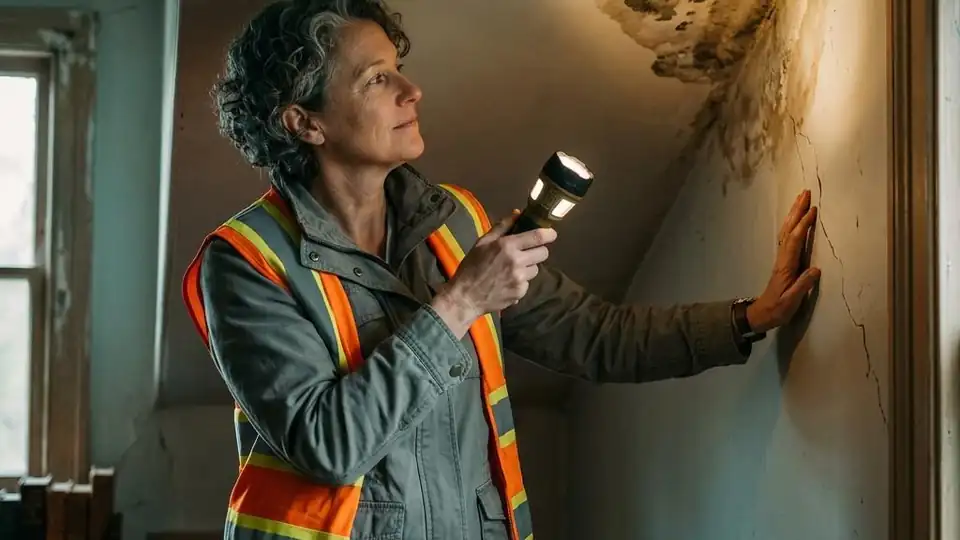
I have seen homeowners spend thousands on cosmetic repairs only to have the same water stain appear the next spring. That is the kind of lesson you only need to learn once. The smart money goes into stopping the water before it ever touches the wall. A good humidity monitor, a functional sump pump, and a solid drainage system are worth more than any paint or flooring upgrade.
If you are ready to tackle your own moisture issues, start with the simple steps. Clean your gutters. Extend your downspouts. Check your grading. Then move on to the bigger investments like perimeter drain tile and interior vapor barriers. And if you find mold, address it promptly with the EPA guidelines in mind. The goal is a dry, healthy home that stands up to whatever the Detroit weather throws at it.